August 2025
The flowering stage is one of the most critical phases of cultivation, where plants shift energy from vegetative growth to bud development. Maximizing light penetration, airflow, and nutrient availability during this period is essential for producing dense, high-quality flowers and achieving consistent yields. Proper canopy management and environmental control set the stage for successful flowering.
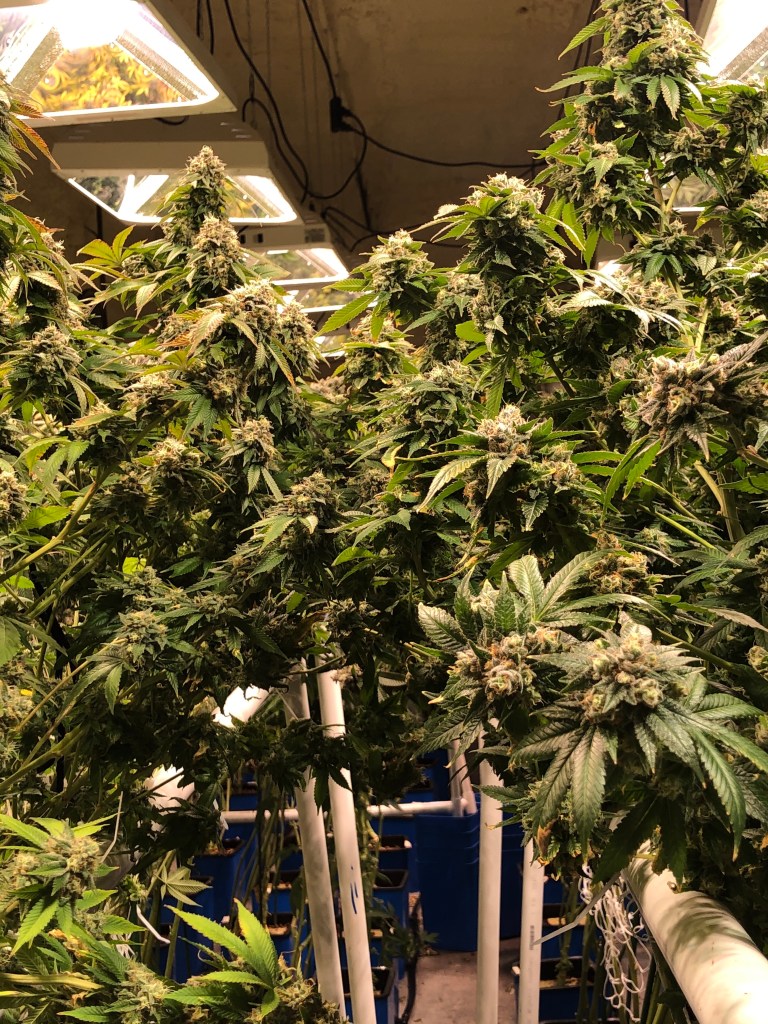
Training and pruning techniques optimize light distribution and airflow within the canopy. Removing lower growth that receives little light, topping, and selective defoliation help focus energy on productive bud sites while reducing the risk of mold and pest infestations in shaded areas. Even canopy height ensures that all flowers receive sufficient light exposure, which promotes uniform development and improves overall quality. Techniques such as low-stress training (LST) or trellising can further enhance light penetration and increase the number of main colas.
Lighting strategy continues to play a major role during flowering. Red-spectrum light supports bud formation, while blue-spectrum light maintains compact growth and prevents excessive stretch. Maintaining consistent photoperiods—usually 12 hours of light and 12 hours of darkness for photoperiod-sensitive plants—triggers flowering while minimizing stress. Light leaks during the dark period can disrupt flowering signals and reduce yield, so attention to lightproofing and timer accuracy is critical.
Environmental control, including temperature and humidity, is vital to flower health. Slightly lower humidity reduces the risk of mold and mildew in dense buds, while moderate temperatures prevent heat stress that can damage trichomes or reduce terpene production. Air circulation, facilitated by fans and well-placed vents, maintains a steady environment and ensures that each bud site receives adequate airflow.
Nutrient management should be adjusted to support reproductive growth. Phosphorus and potassium play a more prominent role during flowering, while nitrogen levels are moderated to prevent excessive leafy growth. Monitoring plant response, runoff pH, and electrical conductivity allows fine-tuning of the nutrient regimen for optimal flower development. Foliar feeding or supplemental boosters can provide additional support if specific deficiencies are observed.
Thoughtful canopy management combined with precise environmental and nutrient control maximizes flowering potential. By observing plant development, adjusting training techniques, and maintaining stable conditions, cultivators ensure dense, healthy buds and a successful transition into the harvest period. Planning ahead during this stage directly impacts final quality, potency, and overall yield.
 Site Title
Leave a comment